

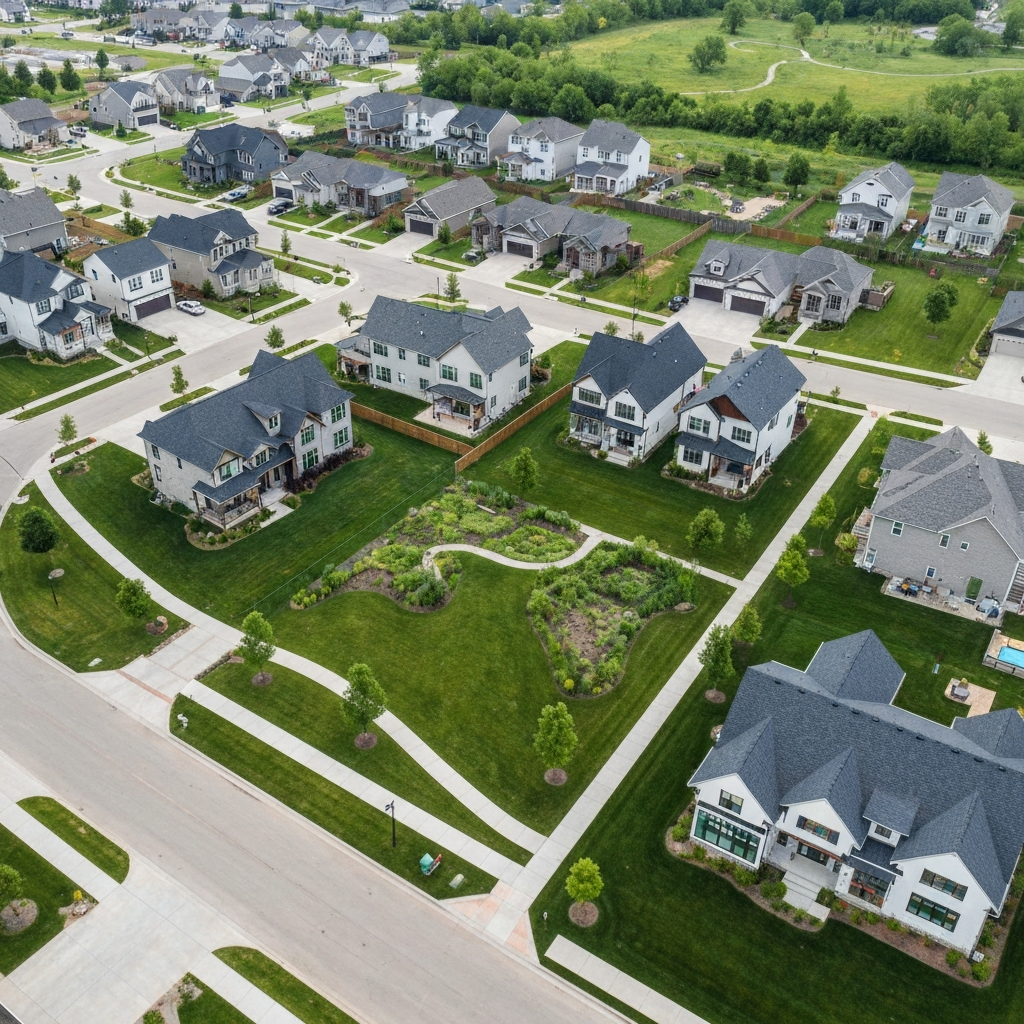
Lansing’s housing market is experiencing notable changes, presenting both challenges and opportunities for residents and investors. Understanding these dynamics is essential for making informed decisions.
Current Market Trends
As of March 31, 2026, the average home value in Lansing stands at $163,359, marking a 4% increase over the past year. Homes typically go pending in approximately 22 days, indicating a brisk market. The median sale price is $155,833, with a median list price of $143,316. Notably, 28.7% of sales have been closing above the list price, reflecting competitive buyer interest. Source
Rental Market Insights
The rental sector has also seen growth. The average rent in Lansing is $1,235, which is below the national average of $1,910. This affordability continues to attract renters to the area. Source
New Housing Developments
Several new housing projects are underway to meet the growing demand:
Churchill Gardens
Located on Lansing’s Southside, Churchill Gardens is the city’s first agri-community. This 12-acre development integrates sustainable housing with on-site food production, featuring permaculture gardens and shared green spaces. The project employs a Community Land Trust model to ensure long-term affordability and community stewardship. Source
Downtown Redevelopment
In the Stadium District on the 600 block of Michigan Avenue, a new project is set to add 15 housing units and nearly 6,900 square feet of commercial space. Supported by the Revitalization and Placemaking program, this development aims to provide affordable housing options for essential workers and stimulate economic growth in downtown Lansing. Source
Holmes and Pleasant Grove Project
In Southwest Lansing, the Holmes and Pleasant Grove Project is set to become a community anchor. This development will offer 30 high-quality housing units and approximately 5,800 square feet of commercial space, including a café, credit union, and community center. A public plaza and a memorial honoring Malcolm X will also be featured, fostering community engagement and cultural recognition. Source
Investor Activity
Despite a general cooling of the U.S. housing market, institutional investors have maintained a steady presence in Michigan. In Metro Detroit, the share of homes sold to institutional investors rose slightly from 7.3% in Q1 2024 to 7.4% in the same period of 2025. This trend underscores Michigan’s appeal due to its affordability and potential for long-term property value appreciation. Source
In summary, Lansing’s housing market is characterized by rising home values, a competitive rental market, and significant new developments aimed at enhancing community living and affordability. Staying informed about these trends is crucial for those looking to navigate the evolving real estate landscape in Lansing.