

Hi everyone, Caleb Jones here. I’m diving into Lansing’s weather and environment: typical seasonal trends, challenges we face, and what matters most in keeping our city resilient and safe.
Lansing’s Climate Snapshot
Lansing sits in a humid continental climate zone. Summers are warm and humid, with July average highs near 82–83°F and lows around 60°F. Winters are cold and snowy—expect average January highs in the low 30s°F and lows near 17°F. The city sees about 50–52 inches of snow a season, while annual precipitation is roughly 33 inches, with snow spanning roughly from November through April. Frosts typically end by mid-May and begin again by late September.📅
Seasonal Shift Highlights
Spring & Summer
Late spring and early summer bring warming temperatures, lush greenery, and active periods of rain—especially thunderstorms in May and June. As lawns and gardens bloom, moisture and sunlight rise together, making these months vibrant.
Fall & Winter
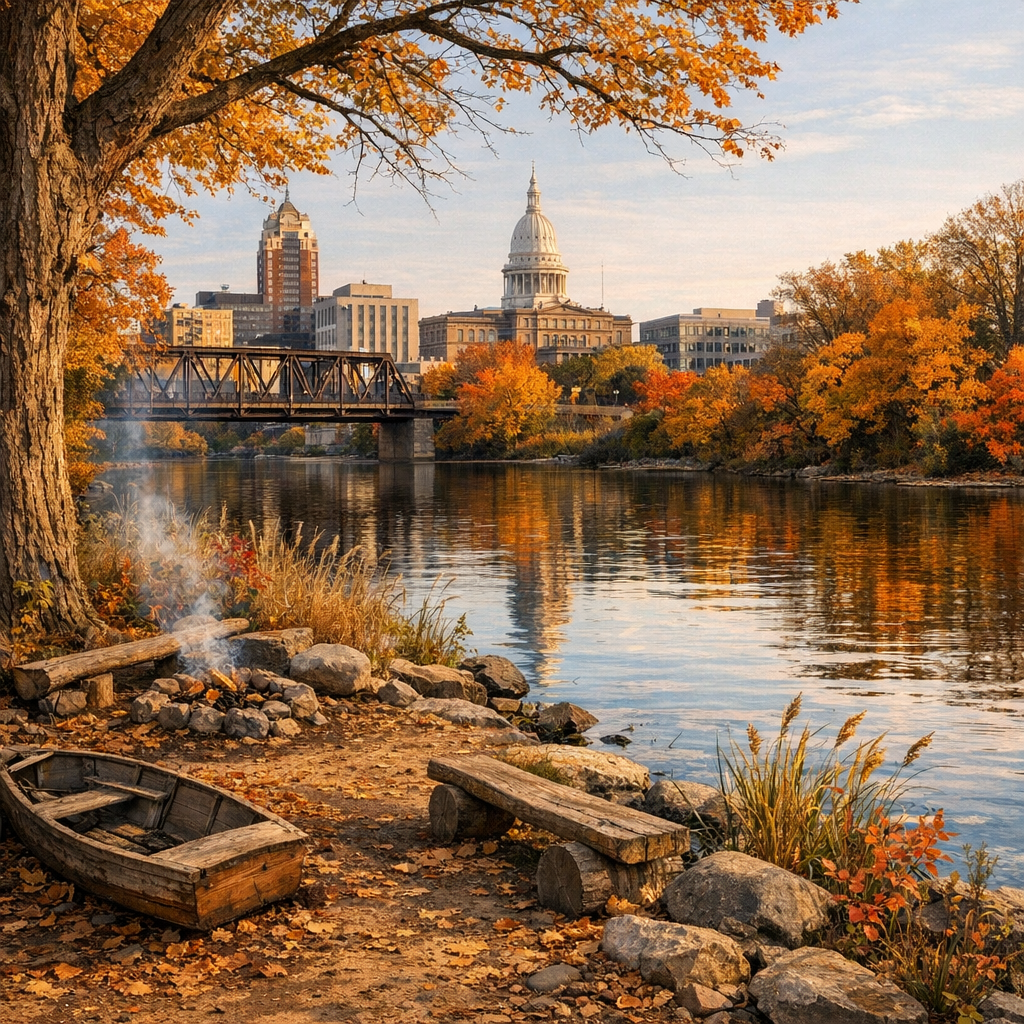
Fall cools off fairly steeply, with temperatures dropping and deciduous trees showing dramatic color. Winter brings cold, frequent snow, and shorter daylight—temperatures dipping well below freezing at night, with occasional heavier snowfalls. Winter storms and wind-chill are part of life after the first substantial frost.
Environmental Struggles We’re Facing
Water Infrastructure & Drinking Safety
Lansing is investing significantly in its water systems. Upgrades in treatment facilities, replacement of aging mains, and a new water tower are all under way to ensure safe drinking water delivery. These efforts aim to reduce boil advisories, improve pressure, and support long-term public and environmental health.
Stormwater, Overflows, and Rivers
Heavy storms often expose weaknesses—our combined sewer systems can become overwhelmed, causing overflow into streams and rivers. These events elevate risks for bacterial contamination and impair water quality. Local programs sample rivers weekly from May through September to gauge levels of E. coli and other pollutants, with advisories issued following runoff-heavy rain events.
Groundwater is Critical
All of Lansing’s drinking water comes from groundwater aquifers like the Saginaw Aquifer. This underground supply is essential but sensitive. Contaminants—organic wastewater compounds, runoff, etc.—can threaten wells if not monitored carefully. Research and regional planning continue to identify risks and safeguard this shared resource.
What You Can Do
- Keep gutters clear, ensure downspouts lead water away from homes to reduce basement flooding.
- Check water quality reports and river sampling updates before swimming or using local waterways.
- Support or engage with local infrastructure projects and environmental groups pushing for safe, resilient water systems and clean rivers.
- Prepare for seasonal shifts—build warmth into your winter setups and protect gardens from frost in the shoulder seasons.
Lansing’s weather can be intense and beautiful all at once. The more we understand how it works, the better we can chase back the cold, ride out the rain, and protect the environment we all share.